What Makes a Tiered Link Structure Truly Safe?

Defining domain strength in digital growth for 2026
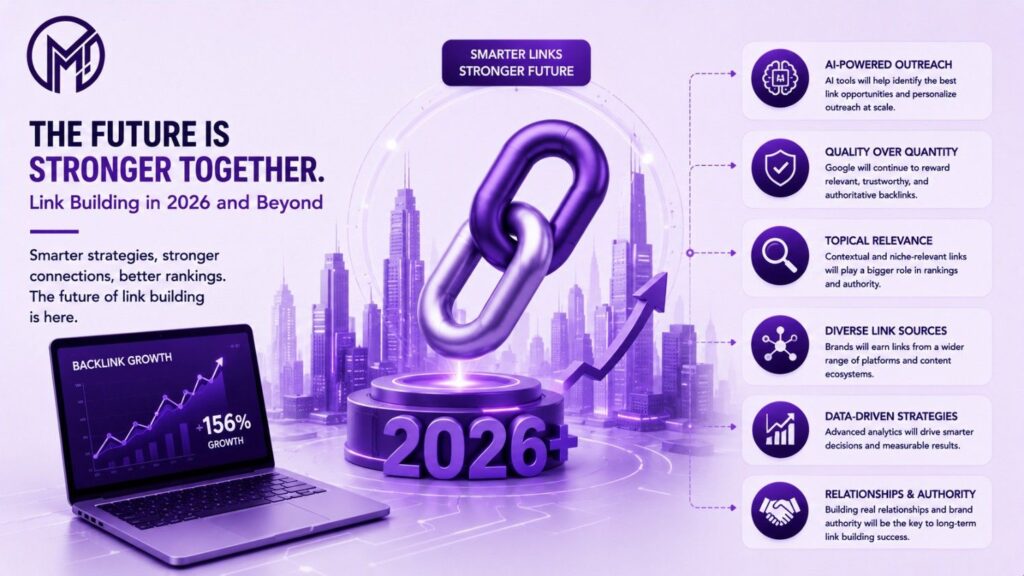
The year 2026 marks a substantial shift in how search algorithms translate the worth of a backlink. In previous periods, the sheer volume of connections typically outweighed the particular intent of the surrounding text. Today, the science of contextual backlinks has approached a design where the relationship between two pages is determined through semantic vector space instead of simple keyword matching. Digital environments in 2026 prioritize signals that suggest a real transfer of authority between entities that share a logical connection.
Online search engine now utilize advanced natural language processing to determine if a link exists to assist a reader or simply to manipulate a ranking rating. When a link appears within a paragraph, the algorithm evaluates the five sentences preceding it and the 5 sentences following it. This local context identifies the weight of the link. If the surrounding content goes over a particular technical issue and the link indicate an option, the authority passed is high. Alternatively, a link put in a generic "resources" list carries nearly no weight in 2026.
Expert methods for digital authority now concentrate on the idea of topical adjacency. This means that a link from a site about hardware to a website about software is thought about more important than a link from a generic news website to that very same software application site. The proximity of the two subjects in an international knowledge chart figures out the strength of the connection. In 2026, the goal is to produce a map of relevance that looks natural to both human readers and machine crawlers.
The mechanics of topical significance in web growth
Topical importance is no longer a binary state. In 2026, it is a spectrum determined by how typically two entities appear together in trusted datasets. Algorithms now search for co-occurrence. If a site focuses on industry solutions in the local market, search engines expect to see it pointed out together with other local and industry-specific entities. This produces a verification layer that safeguards versus the mass-produced, low-grade link building seen in earlier years.
Neural networks have reached a point where they can discover the sentiment and know-how level of the author providing the link. A backlink from a peer-reviewed journal or a high-authority industry guide is worth more than a thousand links from blog site remarks or social networks profiles. This shift has required a change in how professionals approach outreach. Rather of requesting a link, they provide data, research study, or unique point of views that naturally require a citation. Success in digital visibility often stems from proficiency in Asia Virtual Solutions.
Contextual backlinks likewise depend on the idea of "info gain." In 2026, search engines reward pages that supply new info that is not discovered on the linking page. If a paragraph perfectly describes a concept and after that links to another page that says the precise same thing, the link is viewed as redundant. If the link points to a more in-depth dataset or a specialized tool that expands the user's understanding, it is treated as a high-value signal. This makes sure that the web remains a web of beneficial info rather than a loop of duplicated content.
Examining the 2026 technique to authority building
The technical structure of a website affects just how much authority it can travel through a contextual link. In 2026, the principle of "link equity" has actually been changed by "contextual circulation." This determines how smoothly a user can shift from one topic to another. If a site has a clean internal structure, the worth of its external links boosts. This is because the search engine can trace the origin of the authority back through a clear hierarchy of pages.
Many experts stress the value of Asia Virtual Solutions when establishing domain trust. This includes guaranteeing that every outbound link is surrounded by text that discusses the relationship in between the source and the destination. In 2026, we see fewer "click on this link" anchors and more detailed, natural expressions that integrate the link into the narrative of the page. The anchor text itself is less of a ranking aspect than the sentences that house it. This prevents the over-optimization concerns that afflicted the early 2020s.
Confirmation of source identity is another layer of the 2026 link science. Before a link passes any authority, the search engine validates the identity of the domain owner and the author of the post. This is done through decentralized identity procedures and validated author profiles. A link from a confidential source brings a portion of the weight compared to a link from a validated expert in the field. This change has effectively ended the period of "ghost-written" visitor posts that served no purpose aside from link acquisition.
Algorithmic weight of link placement in modern markets
Location-based signals have ended up being more precise in 2026. For a service operating in a specific region, a contextual link from a local entity like a city chamber or a regional news outlet is weighted greatly for regional search questions. The algorithm understands that geographic distance is a form of context. If two businesses are situated in the exact same region and one links to the other within a conversation about regional community requirements, that link acts as a strong signal of local relevance.
The physical area of the server and the main audience of the linking website likewise play a role. In 2026, a link from a site with a main audience in the surrounding area supplies more "local lift" than a link from a worldwide website without any geographic focus. This has caused an increase in hyper-local digital networking. Experts now invest more time constructing relationships within their immediate professional circle to ensure their link profile reflects their actual business environment.
Placement within the document item model (DOM) is likewise important. A link in the main body text, specifically in the very first third of the article, is seen as more vital than a link in the footer or sidebar. In 2026, the "primary material" area is the only location where contextual links are really effective. Hyperlinks found in repeated boilerplate text or navigation menus are dealt with as practical instead of reliable. This motivates developers to integrate their references into the core story of their material.
How semantic closeness defines the worth of backlink strategy
Semantic nearness is a mathematical measurement of how associated 2 principles are within a particular field. In 2026, online search engine use this to avoid "off-topic" connecting. If a site about gardening links to a site about monetary guidance, the semantic distance is high. Even if the link is positioned within a well-written paragraph, the algorithm might ignore it due to the fact that it does not fit the established topical authority of the source website. This guarantees that websites stay within their "lanes" of competence.
The usage of entities over keywords has altered how we view these connections. An entity is a person, place, or thing that the online search engine acknowledges as a distinct principle. In 2026, when a website links to another, the engine asks: "Does Entity A have a sensible factor to recommendation Entity B?" If the answer is yes based on historical information and existing trends, the link is validated. This has made the procedure of structure authority much more about real-world relationships and less about technical tricks.
- Hyperlinks needs to originate from pages with a high degree of topical overlap.
- Surrounding text must consist of pertinent co-occurring terms that specify the relationship.
- The connecting page must have its own history of authoritative outgoing links to relied on sources.
- User interaction with the link is tracked to validate its utility.

Engagement metrics have become a silent part of link science. If a link is never ever clicked, or if users who click it instantly go back to the previous page, its value reduces over time. In 2026, a "good" backlink is one that individuals actually use. This has actually changed the focus from getting links on high-traffic websites to getting links on sites where the * right * individuals read. A couple of clicks from a highly targeted audience deserve more than countless impressions from an indifferent crowd.
Predictive analysis and the future of web authority
As we move through 2026, predictive algorithms are starting to expect which sites will become authorities in the future. They try to find early patterns of contextual connecting. If several established specialists begin linking to a brand-new domain within a brief duration, that domain is fast-tracked for authority status. This "early adopter" signal is a way for online search engine to keep their results fresh and identify rising stars in various markets.
The concentrate on human-centric metrics makes sure that the web stays a location for premium details. In 2026, the science of contextual backlinks is really the science of human trust. Algorithms are merely trying to mirror the way human beings advise things to one another. By taking a look at the words utilized, the intent of the author, and the response of the reader, online search engine have actually produced a system that is harder to cheat and more gratifying for those who provide authentic value.
The architectural design of a site should support this brand-new truth. Pages need to be developed with the expectation that they will become part of a bigger conversation. This indicates clear headings, well-defined sections, and a focus on addressing particular questions that other websites may want to referral. In 2026, being "linkable" is a particular style objective that includes developing information visualizations, original research study, and clear meanings that function as the foundation for other individuals's content.
As the year 2026 continues, we anticipate to see a lot more combination between social signals and contextual links. While social networks links themselves often remain no-follow, the "buzz" they create around a subject can influence how online search engine weight the contextual links that follow. If a topic is trending in a specific market, links connected to that topic may see a short-term increase in authority. This develops a responsive search environment that reflects the current interests and needs of the international population.
The development of this field shows no indications of slowing down. For those concentrated on growth strategies, the lesson of 2026 is clear: context is not simply the words on the page, but the entire relationship in between the source, the destination, and the user. By understanding the science behind these connections, businesses can build a digital presence that is both reliable and enduring. The objective is no longer to be the loudest voice, however to be the most mentioned and trusted resource in the digital area.